
What commissioning actually does
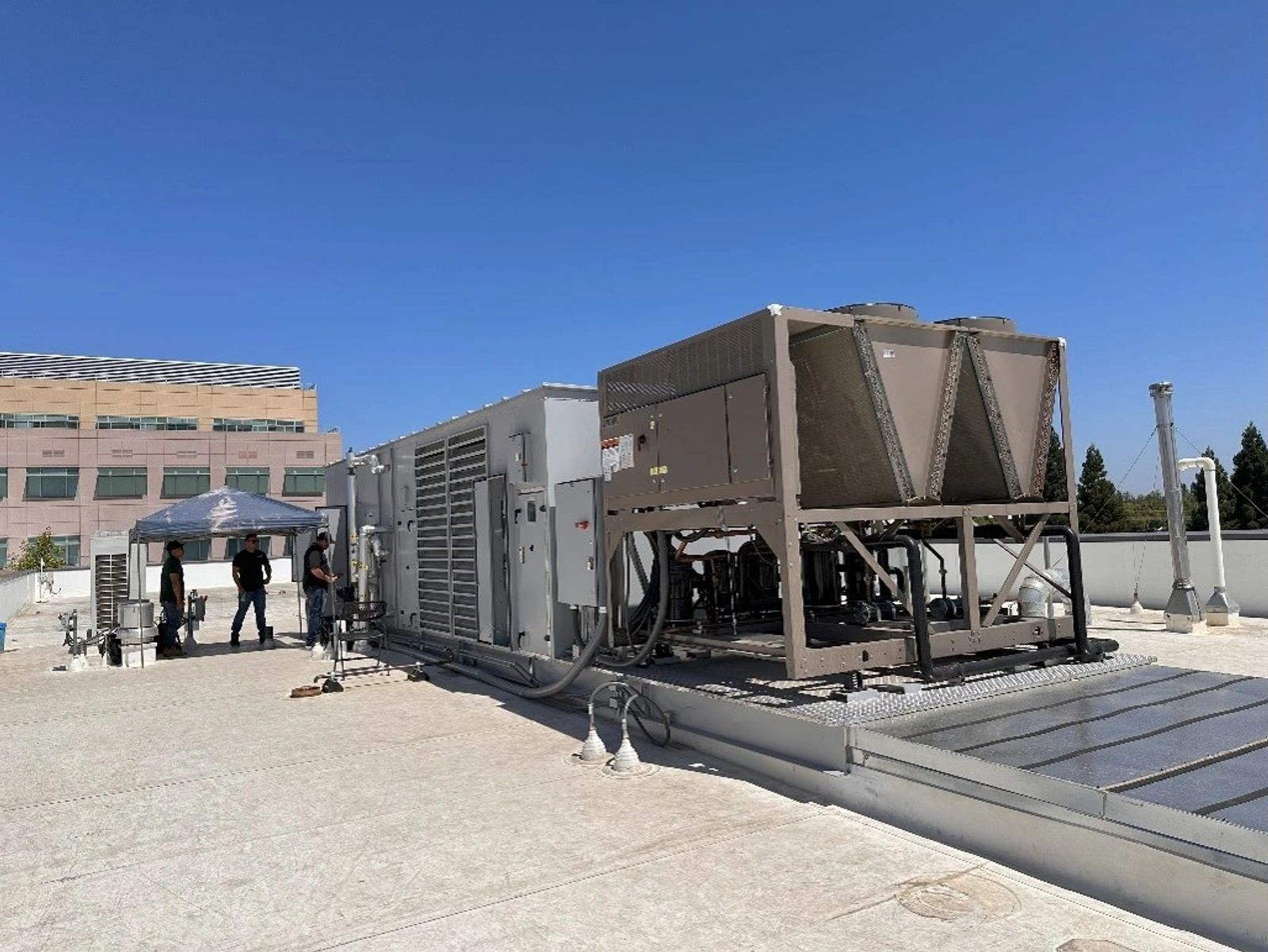
Commissioning (Cx) is a third-party verification process. We test systems — air handlers, chillers, controls, fire alarm, medical gas — under real operating conditions, against the design intent, and document where they fall short. Then we work with the contractor to fix it before the warranty period expires.
That's it. No magic. The leverage is in the rigor.
Three places it earns its keep
1. Catching design-vs.-reality gaps before occupancy
Every project we've worked on has had at least one system that came in working "kind of" — fans set to the wrong CFM, dampers stuck open, sequences of operation that look fine on paper but fight each other in the field. Commissioning surfaces these issues while the contractor is still on the hook. After substantial completion, the same fixes become change orders.
2. Calibrating systems to design intent
A boiler plant rated for 95% efficiency rarely runs there in year one. Pumps oversized to handle peak load run at 30% all summer, burning power. We tune setpoints, sequences and trim levels until the system actually performs the way the design said it would.
On a recent VA campus retrocommissioning project, this work surfaced six-figure annual energy savings — without replacing a single piece of equipment.
3. Documentation operations can actually use
Most as-built drawings rot in a binder. Commissioning produces something different: a verified record of how every system was set up, what the sequences are, and what to do when something drifts. Two years later, when something breaks at six in the morning, that document is what saves the call-back.
What about retrocommissioning?
If your building is more than ten years old and has never been formally commissioned, retrocommissioning typically pays back in 18–24 months. We've retrocommissioned over 80 million square feet of healthcare and federal space; the savings curve is consistent — 8–15% of annual energy spend, with no capital project required.
Bottom line
If you're planning a new build, commission it. If you've inherited an aging facility, retrocommission it. The work pays for itself, and what you learn carries forward to every operating decision after.