
What "net-zero" actually means
The technical definition: a building that produces as much clean energy on-site as it consumes over the year. The accounting definition (which is what federal mandates usually mean): a building where total emissions, after on-site renewables and procurement of clean power, net to zero.
The two are not the same. The first is a much higher bar. Most "net-zero" federal projects are aiming at the second.
What's driving the federal mandate
- Executive Order 14057 — net-zero federal building emissions by 2045, 50% reduction by 2032.
- EISA (Energy Independence and Security Act) — mandatory energy and water reductions for federal buildings.
- GSA's Sustainable Facilities Tool — specific performance targets on every new build and major renovation.
If you're a federal owner, "net-zero" isn't an aspiration anymore. It's the regulatory floor moving up.
Three paths that work on real budgets
1. Passive first
Envelope, glazing, lighting controls, HVAC sequences. Every kilowatt-hour you don't have to generate is a kilowatt-hour you don't have to pay for in renewables. Comprehensive energy modeling at the design phase routinely surfaces 20–30% reductions before any equipment is specified.
2. Solar PV at scale
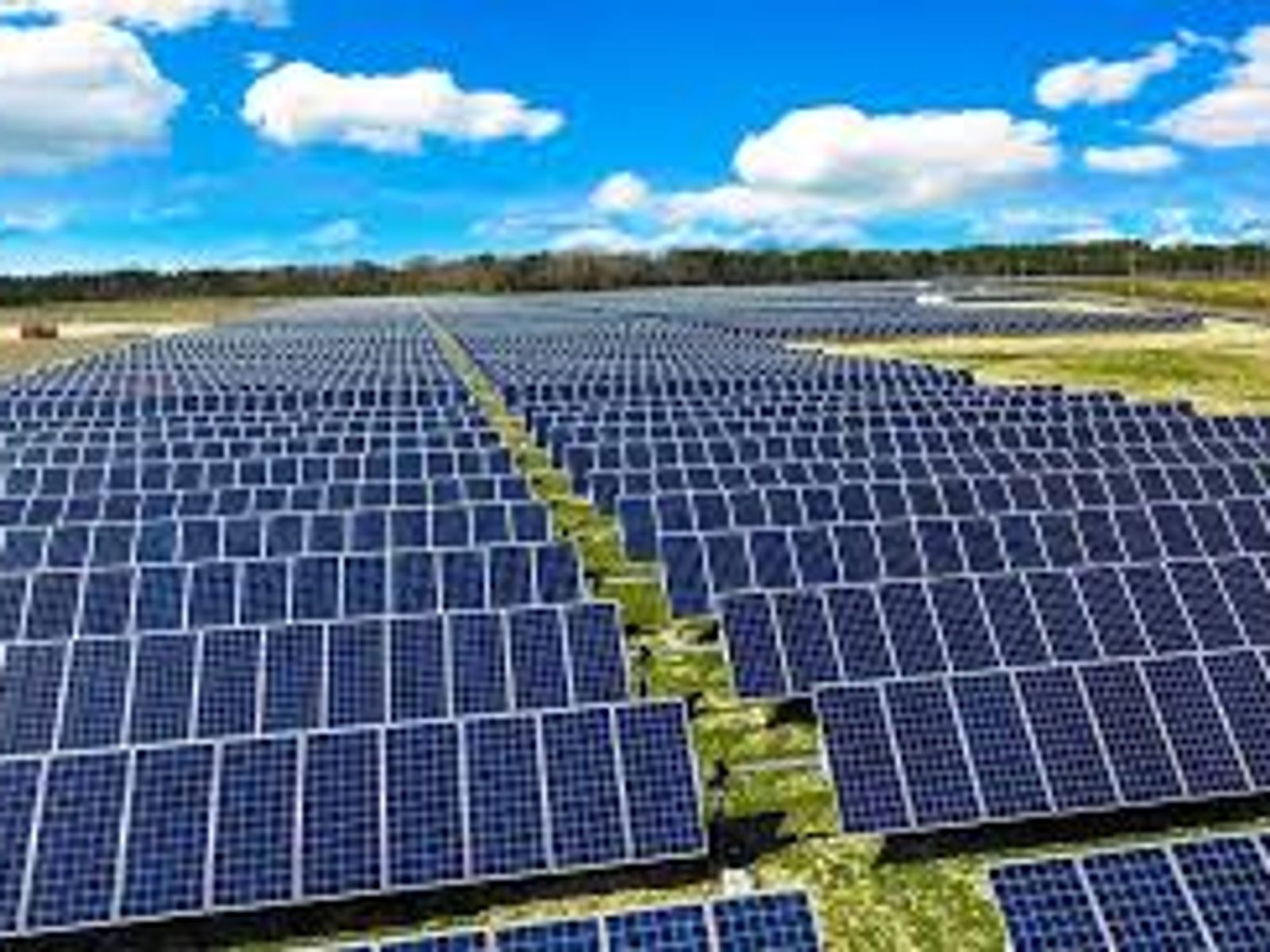
For most federal sites, on-site PV is the cheapest renewable. Rooftop where possible, then carports, then ground-mount on adjacent property. Federal energy savings performance contracts (ESPCs) can fund the install with no capital outlay.
We've commissioned 5.0 MW PV systems for VA campuses in Houston and worked on multi-MW installations across the country. The technology is mature; the procurement structure is the variable.
3. Offsets and procurement
For sites where on-site generation can't get you all the way, federal agencies can procure renewable energy credits (RECs) or enter into power purchase agreements (PPAs) with off-site clean generation. Less satisfying than building it yourself, but it counts under most accounting frameworks.
One real example
We designed a net-zero building for the GSA in Fitchburg, Massachusetts — a federal facility that produces enough on-site renewable energy to meet its annual consumption. The path was the one above: aggressive passive design, then PV, then verification through energy modeling and post-occupancy commissioning.
It wasn't a unicorn project. It was disciplined application of methods that already work.
Bottom line
Net-zero is achievable on most federal projects, on most federal budgets, with technologies that are commercially mature. The variable isn't the equipment. It's the planning discipline and the willingness to do the modeling work upfront.