
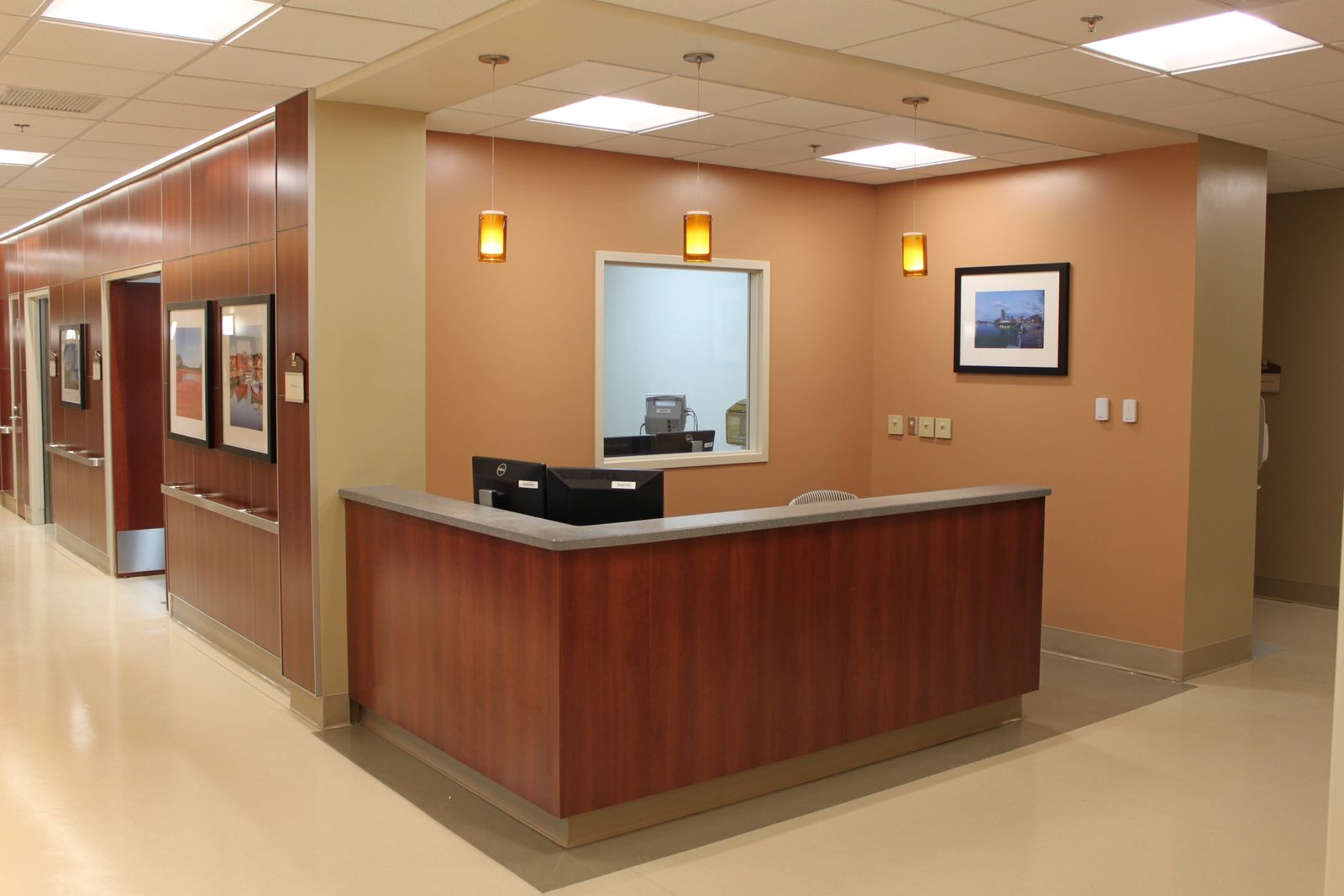
The 30-year building, 5-year program
A hospital's structural shell lasts 30+ years. The clinical program inside it — what services run where, with what equipment, at what volume — changes every 5–10 years. Any healthcare design that doesn't account for this gap is a future renovation project.
Three principles that work
1. Separate long-life from short-life systems
Structure, envelope and primary MEP distribution are 30-year decisions. Casework, finishes, room layouts, secondary distribution are 5–10 year decisions. Detail the building so the short-life pieces can change without disturbing the long-life ones.
This sounds obvious. In practice it means generous interstitial space, accessible utility chases, and ceilings designed for replacement rather than as architectural features.
2. Excess infrastructure capacity
The HVAC, electrical and medical-gas capacity you'll need in year 20 is not the capacity the day-one program calls for. We design every system with measured headroom — usually 25–40% above day-one peak — for unknown future loads.
Adding capacity to a running hospital is brutal. Buying it on day one is cheap.
3. Materials that survive
Healthcare environments wear hard. Casters, gurneys, cleaning chemicals, 24/7 lighting, infection-control protocols. Surfaces and finishes need to be specified for that reality, not for a marketing photo.
What this looks like in practice:
- Solid-core doors, not hollow-core
- Sheet flooring with heat-welded seams in clinical areas
- Wall protection at every transport path
- Fixtures rated for cleaning agents, not just water
One thing to avoid
Bespoke MEP runs. Custom routings, one-off equipment connections, anything that locks future renovations into ripping out shared systems. The cheapest move on day one becomes the most expensive move in year 12.
What this means for owners
If your designer is showing you a beautiful day-one configuration and not talking about year-15 flexibility, they're solving the wrong problem. Ask:
- What rooms can change use without touching the structure?
- What's the headroom on HVAC and electrical?
- Where do future renovation crews come in without shutting down adjacent operations?
Bottom line
Good healthcare design isn't about getting day one perfect. It's about getting year 15 right.